Under the name Francis Lee, I write interracial Christian romantic suspense. My stories are about finding enduring love when hope and redemption seem unattainable as danger lurks around every corner. My characters learn that where there is darkness, "joy will always come in the morning".
…who against hope believed in hope and hope does not put me to shame. Therefore, my heart is glad because my trust is in the Lord and I wait on him. For his promises are true and He is my hope. It is He who renews my strength, for when I am weak then I am strong. Hence, I can run and not be weary, walk and not faint and fly high above the heavens like the eagles that soar.
Forasmuch as you know your labour is not in vain in the Lord. 1 Corinthians 15:58 Adapted from the KJV
Now comes the weeping,
then the glad reaping,
Now comes the labour in the Lord
then the reward. – by Anon
2021 is a new year, another chance to start fresh with a so called clean slate. Although this year is new, the hardships, stress and pain of 2020 are old and will not so easily disappear but will linger. Nevertheless, we can rest assure there is HOPE as we pray for something better.
Accessibility is important for the survival of any hearing clinic in this time of city wide lockdowns and the new normal. The ability for the public to have access to the hearing clinic and the services provided by that clinic is important.
Accessibility is important for the survival of any hearing clinic in this time of city wide lockdowns and the new normal. The ability for the public to have access to the hearing clinic and the services provided by that clinic is important. Clinics are continuously opening their doors wider hoping to welcome back old and faithful clients and to attract new clientele. Time lost in the lockdown can never be recovered, therefore kick starting sales and projections will be challenging especially when some parts of the city are still closed and some clients are still evaluating the risk factor entailed with any hearing visit. However, clinic doors cannot remain partially closed indefinitely when people need help with their hearing concerns. It is good business practise to have in place a comprehensive operational and marketing plan before and well into the lockdown, to anchor the hearing clinic in the first few month at the reopening and beyond. Hearing businesses rely on customer service and reliability.
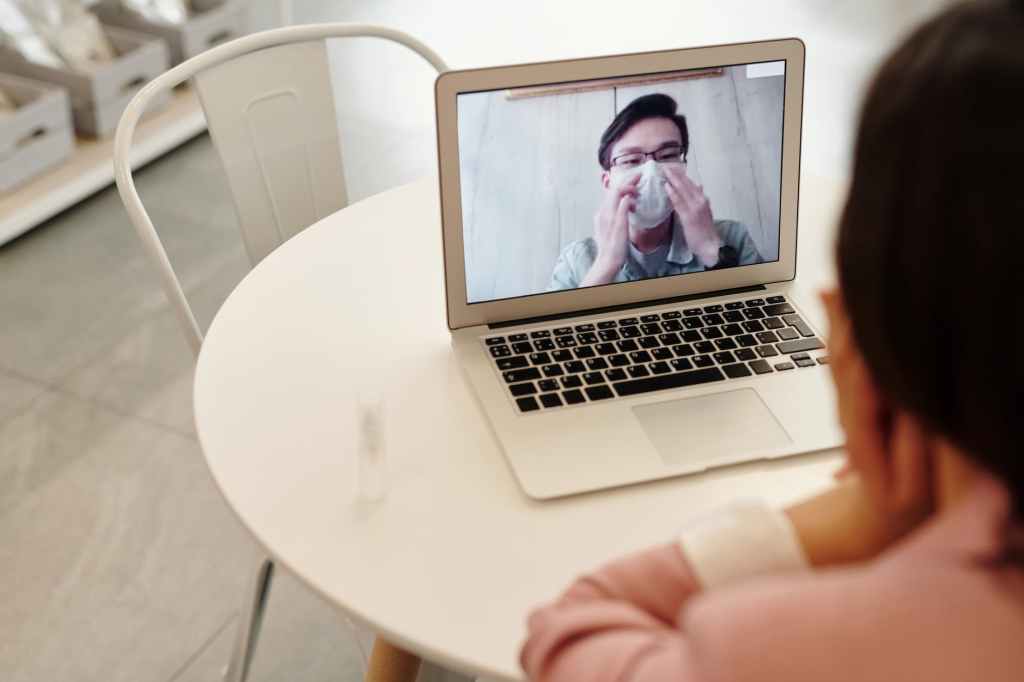
How can a clinic still deliver exceptional service to the public within this time of the new governmental regulations of social distancing, mask wearing, appointment only solutions, plexiglass reception desks and constant handwashing? Not that we do not regularly wash our hands.
Is the drop in or walk in service gone for good?
Are the days of social greeting and cordial welcome turned to something cold and clinical?
Can clients still pop in for a quick visit and chat about daily matters while getting hearing aids cleaned or adjusted?
Can we still show care wearing face shields and masks?
These are all good questions lurking in the far recesses of clinical staff and the public. The service model will change in the new normal and as clinicians, we will learn to adapt in order to still give exceptional service. Learning to adapt and to move along with the changing and ever evolving hearing industry can be a challenge to clinicians, but it is nothing out of the ordinary. Hearing aids are rapidly developing and improving, becoming more technological advanced to meet the needs of the hearing aid user and to make their wearing more successful. Training is continuous and copious allowing the clinician to remain fresh, knowledgeable and proficient.
In this new normal, hearing clinic in house service will alter for safety reasons but new services will emerge and grow over time. One such service is the moving forward of the telehealth, e-health or remote care hearing service model. The electronic use of delivering health service. (www.who.int)
This is a concept in the hearing industry that is available but not readily used. Due to the Covid -19 pandemic it has become a shining star bumped to the top of the list of services. Like everything else there is the good, the bad and the ugly. Telehealth in the hearing industry is a little of everything.
The ability to adjust hearing aids remotely is a plus for the hearing aid user and clinician. The follow up appointment can be conducted via the internet using a similar feature such as face time or skype. The client books and appointment with the clinician, they connect via the internet with audio and visual. The clinician can do adjustments to the user’s hearing aids in real time. The client does not have to be in the office but can be at home, at work, a restaurant, basically anywhere they can connect with the use of an app on their phone. Amazing and satisfying for both client and clinician.
But what if?
The client has no clue how to connect to the internet or use the phone app
There is poor internet service on both the clinician or the client’s side. Simple troubleshooting regarding Wi-Fi connection or internet service provider information and connection is important before booking appointments.
Client does not have the up to date android version or IOS on their phone in order to download the app
Client has older hearing aid technology not compatible with this new software feature. Not all clients will have hearing aids suitable for remote programming. This maybe an opportunity to discuss the benefits of newer technology.
Clinician does not have the correct training – continuing education is needed and should be completed before venturing into virtual programming.
These are a few road blocks to bear in mind. They are not barriers. The success of telehealth is not impossible to achieve, training may be needed on both the client’s side and the clinician’s side. Also, certain clients are better candidates for this service than others because of technological deficiencies which maybe at first difficult to overcome. Therefore, explanations and making appointments less complicated but simple is the best approach. Complicated concerns need in house appointments and follow up care at the clinic is good practise. Clinicians need to remember that telehealth is only just a part of the full service regime provided by the clinic and not the only service available.
Along with the regular in house service such as hearing tests, face to face adjustments and follow up care additional service models are available to the client when needed.
Other Services:
Curbside service within hours of operation – available for picking up supplies and emergency repairs or cleaning.
Chat line – live persons should be available to talk with the public.
Online how- to- videos and help videos will support the hearing aid end user
Call centre or support call service – up to date with available access times and staffed with knowledgeable individuals preferably an Audiologist or a Hearing Instrument Practitioner
Online presence/ website – up to date website with tips for clients to follow and contact information.
“Embracing Remote Programming” by Shari Eberts from her website http://www.livingwithhearingloss.com is a great resource written from the point of view of a person living with hearing loss.
Telehealth is here to stay. The current situation of COVID-19 has solidified the need to implement alternative methods of providing hearing healthcare to current and future patients. ( Remote Hearing Care a Primer by Dr.Younker, wwwhearinhealthmatters.org)
Delivering exceptional and professional service to those with hearing loss is the framework of a healthy hearing clinic. As a clinician, our duty to the clinic and the public is to remain proficient in our education and practical in its application. The service we provide is diverse, ongoing and it is essential for those in need, thereby making reliability and availability the hallmark of a good full service hearing clinic.
As the city relaxes it’s lockdown measures slowly, many businesses are preparing for their grand reopening. This is great news that will kick start the economy, but are we ready?
Are we mentally ready to go back to work and face clients on an everyday bases?
Are protocols set in place by management to keep employees safe?
These questions readily come to mind and it is understandable. As the Covid-19 lingers and we are bombarded by the numbers about infections and deaths caused by this virus, it is hard to steer clear of these worries. Sure, we know we cannot hide in our homes forever hoping to live on the money from employers or the government without so much as lifting a hand to do work. In order to earn a living, working is important. There is no such thing as free money. Some of us are blessed with still being employed and pulling in a pay cheque at regular amounts or reduced, in the eyes of the government we are still employed.. But there are others who are out of work and the hope of finding employment even after the city reopens and the economy starts moving, is slim to none.
There is the fear of not having anything in the future, then there is the fear of having, but worrying about survival. According to the article, Nervous American struggling with relaxed lockdown restrictions ( Denis Bedoya of Infosurhoy, May 5, 2020), personal risk assessment is paramount in our decisions to go out of our homes to attend appointments or work and can be evaluated as either high or low. In other words, is it important to go somewhere and has that place adapted enough protocols for safety.
Employment is very important. Jobs put food on our tables, pays our bills, helps us save for retirement and puts clothes on our backs and of course gives us a sense of wellbeing. Working at a hearing clinic is indeed rewarding for all those reasons mentioned and so many more, but with the province reopening, dealing with clients face to face in the midst of this pandemic, elevates stress levels for the hearing specialist, hearing care counsellor or any front office staff working with the public, due to face to face contact.
Keeping two meters apart and washing hands regularly are important actions that must be adhered to at all times. Working with the public will expose us to the virus and cannot be avoided.
It is common knowledge that businesses will have protocols in place and it will be the duty of the professional to follow these guidelines without taking shortcuts.
Guidelines such as
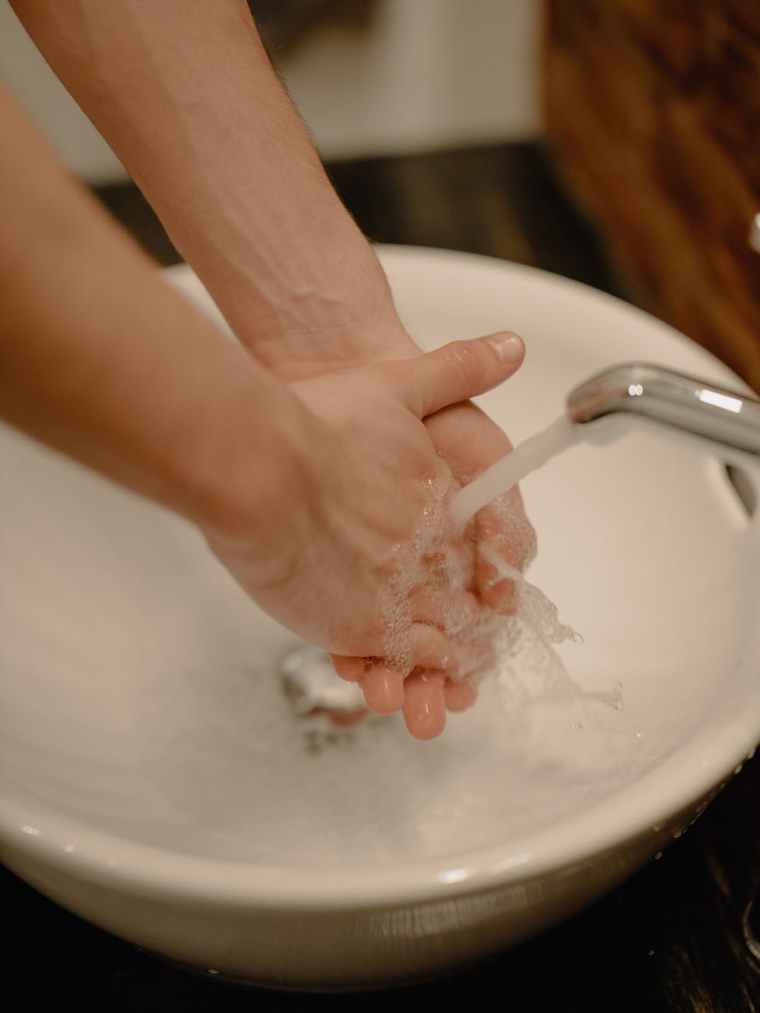
washing hands before every client
cleaning surfaces, equipment and instruments after every appointment
every professional have their own hand equipment such as otoscopes, otolights , pens and other items that should not be shared but kept cleaned and disinfected after every use.
Lab room should be used only as a lab and kept disinfected to avoid cross contamination
Food and beverage should be kept away from work surfaces and not be consumed or left out in the presence of clients.
Public washrooms must be cleaned after every use.
Masks, gloves, lab coats and face shields should be used when in close contact with clients for example: at fittings, testing, adjustments, impression taking, counselling or checking clients in at appointment times. ( these items may not be needed all the time but should be readily at hand)
Gloves should be worn when handling hearing aids and should be changed after every client.
These are only guidelines, but they are something to think about when back to work.
As said before, no one wants to be exposed to this virus, but dealing with the public face to face, there maybe no real way around that factor. It will sneak in some how, but it will be up to owners and management to create a safe and sustainable environment for the safety and health of frontline staff and for the public. Then, it will be the duty of frontline staff to adhere to these new measures for their own well being and for the safety of the public and their coworkers.
It is a group effort to make things work all in the name of health and safety.
Since the Covid- 19 turned into a world class pandemic of 2020, life changed. Cities are under lockdown and some countries are under strict quarantine with the intensions of protecting citizens and stopping the spread of this coronavirus. The government’s advice to stay at home enforced such measures as avoiding non – essential trips, limiting or postponing gatherings and social distancing. Most retail and other person to person businesses remain closed as cities try to flatten the curve bringing down the spread of the virus. But lately and slowly, some measures in some countries are being lifted or relaxed with the exception of one thing, the need for keeping a 2 metre distance between individuals. In order to adhere to this all vital decree, workplaces are now scrambling to develop different strategies, hoping to keep customers and employees safe and healthy and to jump start the economy by keeping business flowing. One such solution is having a curbside service, which is picking up without contact.
Can this service work for all types of business? It can work for the restaurant or food service business, clothing and other retail business, basically anywhere products are sold. Can it work for a Hearing Clinic?Essentially, can a curbside service model generate enough revenue to keep the clinic lights on and pay employees?
There are some questions that may arise when conceiving a curbside service model. The first and most important question is what is a curbside business or service? The second is, how does it work?
Make no mistake, this model will not produce enough revenue to keep business flowing as a stand alone service, but in the future it can generate extra revenue to compliment the business and during this pandemic it is a great introductory method to announce to the public that the clinic is still open for business even when the city is closed.
Generally, within the curbside model the customer/client sees a product they need online or by memory because they have purchased it before. They then call the store/clinic and order the product. The store/clinic may want money upfront through credit card payment or they may request payment at pick up. Nothing is delivered, therefore no extra cost is incurred. The product is made ready before hand and the customer/client picks up the item at the front of the store or at the “curb”, not in the store. Staff does not leave the store/clinic to hand deliver the product.
Can a curbside service work for a hearing clinic?
The Set Up
To run and maintain the service, certain things have to be put into place first. The clinic has to:
Create an easy to read, clear, picturesque Online catalogue for all available sale items – this will introduce the client to diverse product knowledge and availability and it will help to increase sales.
Order by phone –a phone call allows for a more personal and knowledgeable connection with staff at the clinic. The clinic staff is able to access the client file and cross check the frequently ordered items and make suggestions about any other item that maybe helpful to the client.
Order online – the client is confident with their choice and can move ahead and place the order via computer or phone app. (Note: products include: batteries, cleaning accessories, Assistive Listening Devices such as phones, or inline amplifiers, etc… and completed, checked and repaired hearing aids. New hearing aids will not be dispensed at curbside as the client needs to be fitted by a hearing professional)
Payment – can be taken with credit card online or can be requested at pick up. Due to safety and health of staff members No Cash is accepted but payment can be taken at pick up by debit/credit tap.
Order is made ready for pick up
Pick up at the curb – this does not have to be a literal curb but it could be at the door. The client does not come inside the clinic but knocks at the door or rings a bell / buzzer and a staff member answers the door. The client states their name and the staff member gives them their purchase.
In person curbside order – a client can call upon arrival and order products or ring/buzzer for staff to accept an order at the door. Payment is made by credit card or debit/credit tap.
Can clients receive good professional help and service with curbside technique?
Professionalism is not taken away from the hearing clinic, but this new service could add another niche of accessibility for the client. In this day of the coronavirus, staying at home as much as possible is good for both clients and clinic staff, but there comes at time when clients need to replenish products. If they cannot purchase these items at the local pharmacy as these same items are or can be indigenous to a hearing aid clinic, then the client is at a loss. It is good service if hearing clinics have the means to be able to fill the client’s needs even in these uncertain times.
When the clinic opens the doors full time to the public, governmental rules of distancing are still going to be recommended to keep the spread of the virus low and or to control it as much as possible, seeing we will not be able to eliminate the virus altogether. A vaccine maybe developed, but will it be effective in ridding the world of this killer? As one doctor stated on CNN the other day, just like there is no cure for cancer as a whole, but for some cancers breakthrough in medical technology has allowed individuals to live longer and healthy lives. It is estimated a vaccine for the novel Coronavirus is over a year away, which seems like a long time to wait patiently for life to go back to normal. One thing we know for sure is that until then, direct face to face contact will be limited and guided, leaving us to speculate that this curbside service can become a good addition to regular hearing clinic service as a normal part of the whole.
Will the hard of hearing person be willing to acknowledge a hearing loss and invest in hearing aids? Or will they still be reluctant to move forward denying constantly any hearing problems? Things may not change on the first days back to work and with this virus still at our doorstep, we may be off to a rocky start. Clients may not want to come in immediately for fear of contracting the virus.
The Clinic Visit
With the new governmental safety measures of social distancing a hearing appointment will appear very different from one conducted at the beginning of the year.
The client is greeted by front desk staff behind plexiglass panel. Forms are completed by the staff and the usual sign in questions are asked in addition to new health questions about contact with someone with Covid – 19 and how they are feeling.
Some clinics may even take temperatures of anyone entering the clinic including staff
The client and any one accompanying them will need to wear a mask and use hand sanitizer upon arrival.
Visits are by appointment only and one appointment at a time will be present in the waiting room.
Hearing Specialist will also wear a mask and a possible face shield to reduce salvia splatter.
With all these new measures what happens to speech understanding if the client cannot see the Specialist’s mouth? The appointment can go south very quickly because of frustration experienced by the client since they cannot understand enough of the conversation to feel comfortable.
Put the client at ease. Before beginning the appointment the Specialist will wash their hands. This action at the onset is paramount and will help to put the client at ease. Also, inform them immediately about the use PPE(Personal Protective Equipment) as essential for their protection as well as the Specialist. The majority of clientele are elderly and vulnerable due to some other health concern, they need to know that they are in the right place and will be treated with care and kindness. Their health and their hearing health are both important.
During the appointment it is important to speak slowly and repeat instructions when needed. No need to rush. The client is present because they need help and the Specialist is the best professional to answer any questions about their hearing concerns.
If the client is very hard of hearing then ask for a family member or a guest to accompany them into the appointment. Due to social distancing only one other person can be allowed into the appointment and they too have to wear a mask. Again for the protection of all persons present.
If they still cannot understand what is being said then write the information in simple language. The Specialist may want to have simple procedures already written up for use on occasions like these. Ensure that the font is large enough to read and the coloured ink used is visibly acceptable for those clients who may have some kind of vision concern.
Use simple non- threatening hand movements – use simple hand signing if the client still cannot understand.
Keep eye contact and remember to speak slowly.
(Oticon, Canada , 2020) Hearing loss can affect your social life
Untreated hearing loss can cause you to withdraw from socializing because conversations take so much more mental energy. Left untreated, hearing loss can lead to feelings of isolation and depression.
See if some of these hearing loss related worries apply to you or if you suspect that they apply to a person close to you:
• I am often insecure when I am out as I don’t know where sounds are coming from
• I often feel depressed and alone
• I often get tired and need to rest after work
• I have problems remembering
• I have problems recognizing speech, especially in gatherings with other people
• My hearing loss has decreased my quality of life
• My hearing loss not only affects me, it also affects my family It is important to seek help if you experience signs of hearing loss in yourself or a loved on
(Starkey Canada, 2015) Not treating the hearing problem only leads to more frustration, loneliness, depression, anxiety, anger, emotional instability and paranoia. Those with untreated hearing loss experience a 30 – 40 % greater decline in thinking ability compared to those without hearing loss.
In this time of social distancing there will be challenges especially for those who have hearing problems. The immediate feeling of isolation is much higher than ever before coupled with staying 6 feet away in public plus wearing a mask adds to this growing frustration. Unfortunately, social distancing and other governmental guidelines are important to our health and we need to adhere to them. As Hearing Specialists we will work with these guidelines for the best possible outcome at hearing appointments.
Can a single person find love while social distancing?
It can be lonely living in isolation in a one bedroom apartment or in a house with a lot more room with only the walls to talk to day in and day out. That laptop is getting boring as you binge on those episodes of you favorite show you just didn’t have time to watch before that Coronavirus took over your life and the world. Since then things have never been the same: no more drinks after work with the office friends, shopping with girlfriends, no weekend trips with a group of friends and finally, no first date nights.
What is there to do when there is the need to socialize and meet that special someone?
Dating sites are seeing spikes in online connections. Sites such as OKCupid are reporting a jump in daters sending more than 35 million introduction messages in March about 4 million greater connections than last year and a 5 % increase in long term relationships. ( Erin Carson of CNET – April 19, 2020) Match.com has even added a new feature a new video calling service Vibe Check for social distancing singles and a 1-888 number to ask questions with a Relationship Expert for free advise. Other dating sites are doing something similar.
Relationship experts are calling online connections with dating apps, streaming services and digital face timing the rise of modern courtship. The loose definition of courtship is a period of development leading to an intimate relationship. Basically, it is a time when the couple forms a bond.
Healthy communicating brings transparency into any kind of relationship and tackling these issues becomes easier. It helps to build trust –
lovebondings.com
Transfer of information from one person to the other is a good way to get to know someone; a great way to see if there is first, some kind of connection that can eventually lead further.
Meeting someone virtually may not be a bad idea. There are so many sites out there today that allow the user to feel safe while connecting to a stranger. But dating sites are still not for everyone.
If you do venture on one of these sites, take things nice and slow. Sometimes just connecting to someone as a pen pal is just as satisfying, because you get to share experiences and interests. Being a friend can help someone else having a hard time while being alone. And it is friendship that can last the longest when everything else is out of control. Remember everyone has some kind of agenda: bad or good.
Stay within the safety of the dating site. Some sites such as Christian Café and eHarmony have safety zones and strongly recommend at the beginning not to connect with personal e-mail or phone numbers but to use their messaging system for safety reasons. Be aware and stay safe.
Dating in 2020
There is no right answer for single folks out there to find friendship or love while social distancing. We have to adhere to government rules in order to flatten the curve so that things will come back to some kind of normalcy. What that new normal will look like is something we will have to wait and see, but we can discuss projections at a later date.
As a Born Again Believer, I like to pray first before jumping into anything new. Maybe praying about a matter before heading out wouldn’t be a bad idea.
Next up? What to do on a date while social distancing?
In March of this year, Premier Doug Ford introduced the Ontario Together Fund where 50M is given to companies to retool to produce equipment for the Covid- 19 fight. Some companies from automotive sector to alcohol and spirits have answered the need for more equipment and products such as ventilators, surgical masks, face shields and hand sanitizers to help and to serve their local communities and to support front line staff. – CTV News: March 24, 2020
Prime One such industry is alcohol and spirits across the country and not just in Ontario. The Corby Sprit and Wine Ltd distillery in Walkerville which has been operating for over 160 years is now making hand sanitizers, so too is Top Shelf Distillers in Perth, Ontario; – CTV News by Alexander Mae Jones March 24, 2020. The call from the Prime Minister Justin Trudeau for companies to step up and help the nation was answered by distilleries in B.C such as Ampersand Distilling Co to Yukon Brewing right across the nation to Deep Roots Distillery in P.E.I. A number of distilleries so many to list are lending their support.
Second: several Toronto Public Libraries are changing rows of books for shelves of food in order to meet the 53 % increase in client usage in Toronto due to lay offs and Food Bank closures because of Covid -19. Over 100 staff members from a number of Toronto libraries, volunteer to pack 500 to 600 hampers of food per day and hope to continue their efforts until the city gets back to normal.
Third: due to the growing shortage of flour Canada’s oldest water powered flour mill near London, Ontario called Arva Flour Mill is “going gangbusters to feed the demand from home bakers created by the coronavirus lockdown.” – Heather Rivers. They provide up to 300 to 500 customers per day which is four to five times more than normal. -London Free Press by Heather Rivers April 7, 2020.
Although the city if not the entire country is on lockdown where most of us need to stay home, some industries as mentioned and so many more not listed, are working hard to keep the country together and to do their part in this fight against Covid -19. United we stand O, Canada.
But for now in this early part of the year 2020, the beginning of this new decade, it is important to practise social distancing in order to flatten the curve so that things can get back to normal.
Humbertown Mall Social Distancing
Social Distancing in March 2020
Saying this is the new normal is like saying there is no hope.
Is it normal to stay in our homes for days, weeks or even months; some people live alone whereas others live with roommates, family or pets. Is it normal to wear a mask out in public going to work or to appointments or just out picking up groceries?
Is it normal to put a long awaited wedding, class graduation or birthday party online and have friends and family post in through social media because everyone in the city has to remain apart, at a two meter distance?
That isn’t normal. That isn’t living. But for now in this early part of the year 2020, the beginning of this new decade, it is important to practise social distancing in order to flatten the curve so that things can get back to normal. Back to a time when socializing was to laugh, talk and be happy face to face without this virus hanging in the air.
The days of getting together with friends and family for some kind of social aren’t gone forever. This is only a bump along the road of life and rest assured, “all these things must come to pass. But the end is not yet.” (Matthew chapter 24: verse 8, KJV)
There is always hope and without having faith, hope isn’t possible
“Now faith is the substance of things hoped for, the evidence of things not seen,” and hope does not disappoint us. (Hebrews chapter 11 verse 1 and Romans 5 verse 5, KJV)
This is a first hand account of what it is like to live in a Canadian metropolitan city during this Coronavirus outbreak of 2020.
Journey of the Covid -19 while working
Day 1 Ghost train
Its Monday and I am going to venture down town. There is the concern of proximity working in a busy city. Would someone breathe in my face or worse sneeze on me? How could I avoid contracting this horrible, death dealing virus?
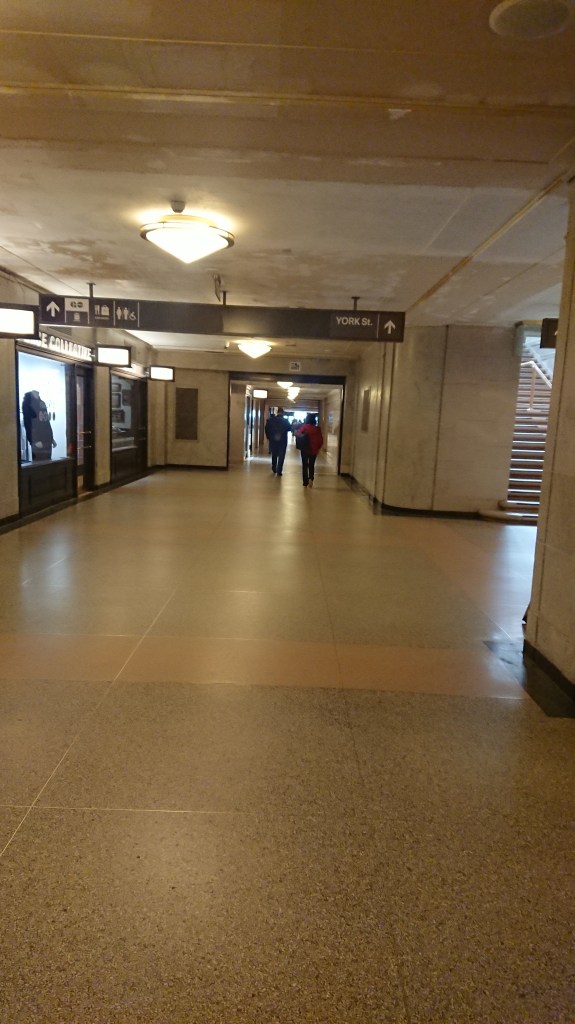
At the station, I could count the number of cars on both hands in the parking lot and on the platform there are no more than 10 people. The train arrives with a splatter of people onboard. Just like a Ghost Train.
I rode this Ghost Train all the way to Toronto without a single soul sitting beside me. It takes a virus to give me Rockstar seating. By the time I emerge from hollow cavern called the subway and walk through the corridors of the bus terminal, I get that creepy, uneasy feeling that makes the hairs on the nape of my neck stand on end. The place is almost deserted like I was walking through some horror movie set.
Day 2 Tuesday
Union Station
Ghost train arrives again but on this day the city is on emergency measures for a lockdown. Schools will not be coming back after the March break, events are to be cancelled, no large gatherings of over 50 people, non essential services are to be closed except for grocery stores, pharmacies, restaurants with take out capacities and alas, the piece de resistance, social distancing is introduced.
What is social distancing? Put simply:
Keep away from me, but be social because we need to flatten the curve.
How many times do we need to be reminded of flattening that curve?
A million times and ten times over until we do just that.
However, the words social and distancing are interesting because they are in direct opposition of each other. Can you be social and be distant at the same time?
The word social means gathering or a group or community getting together. The word distance refers a numerical measurement of how far apart things are. In 2020 amid this Covid -19 pandemic, we have to keep our distance from loved ones, friends, colleagues and fellow citizens. Social distancing is very important to help stop the spread of the virus. Being face to face breathing in the air from someone who may have come into contact with someone with Covid-19 or who may have it and not yet realise it, is dangerous and contributes to the spread of the virus.
“It is a public health practise that aims to prevent sick people from coming in close contact with healthy people in order to reduce opportunities for disease transmission” hub.jhu.edu Katie Pearce What is social distancing and how can it slow the spread of Covid- 19
Keeping apart isn’t forever. We have the hope that this thing can be reduced. And the sooner we adhere to the advise of public health, the quicker we can get out and enjoy our lives again. But for now, better to be six feet apart then six feet under.
And the Lord, he it is that goes before you; he will be with you, he will not fail you, neither forsake you, fear not neither be dismayed. Deuteronomy chapter 31 verse 8. ( paraphrased from the King James Version)












 jemfinds - Hello World 2.0