
Yet To Be #227
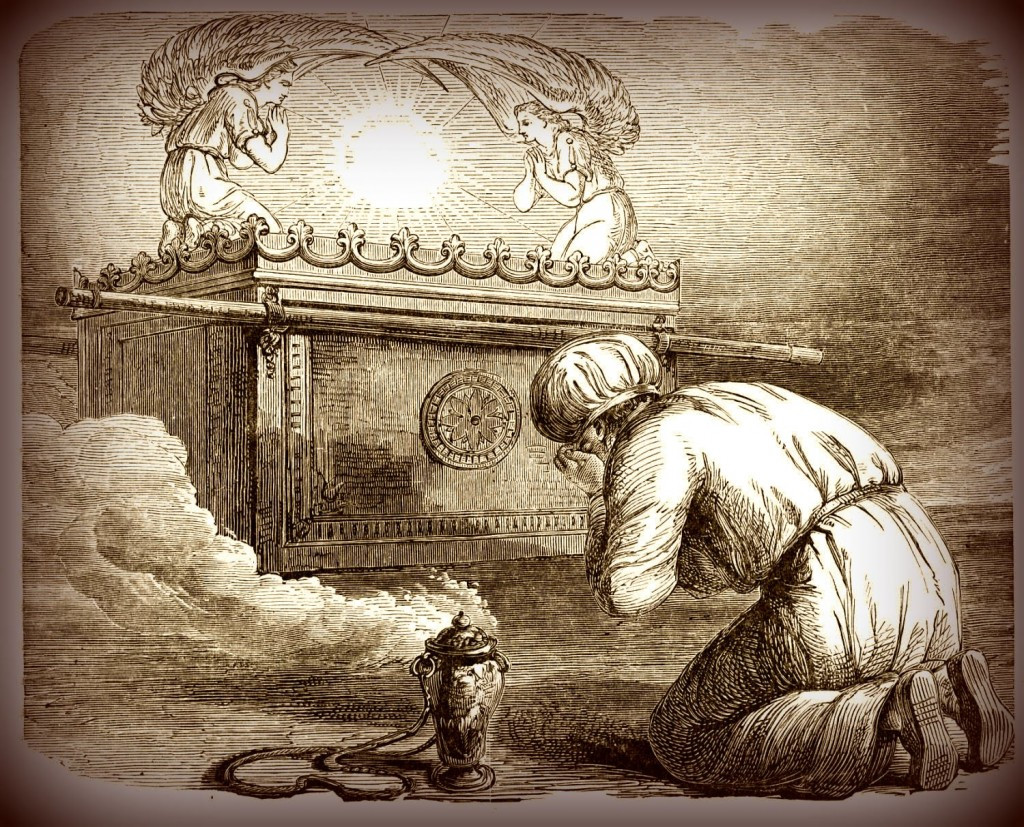
The First Five – The Book of Leviticus
Important Facts:
Written by Moses
Date: between 1450 BCE and 1410 BCE
- It is the third book of the Pentateuch. In Hebrew it is called Wayyiqra, meaning “and He called” which is the opening of the first chapter of this book.
- Leviticus takes it name from one of the twelve tribes of Israel, Levi who was also one of Jacob’s sons.
- Out of the tribe of Levi came the priests who served in the Tabernacle.
- The first priest is Aaron who was Moses’ brother.
- He was the first high priest or Kohen gadol of the priestly order called the Kohanim.
- Contains the laws dealing with the daily activities for the children of Israel to follow.
- Gives instructions on the function of the tabernacle.
Summary:
Chapters 1 to 7 – Offerings
Chapters 8 to 10 – The consecration, function of the Priesthood
Chapters 11 to 15 – Laws about living
Chapters 16 to 17 The basis relationship with God: the Day of Atonement, and the significance of the blood.
Chapters 18 to 27 – The practical relationship with God including the laws about: morality, idolatry, separation, the Feasts of the Lord, possession of the Land, vows and dedications.
 jemfinds - Hello World 2.0