
What will it be like when all the hearing clinics are opened again?
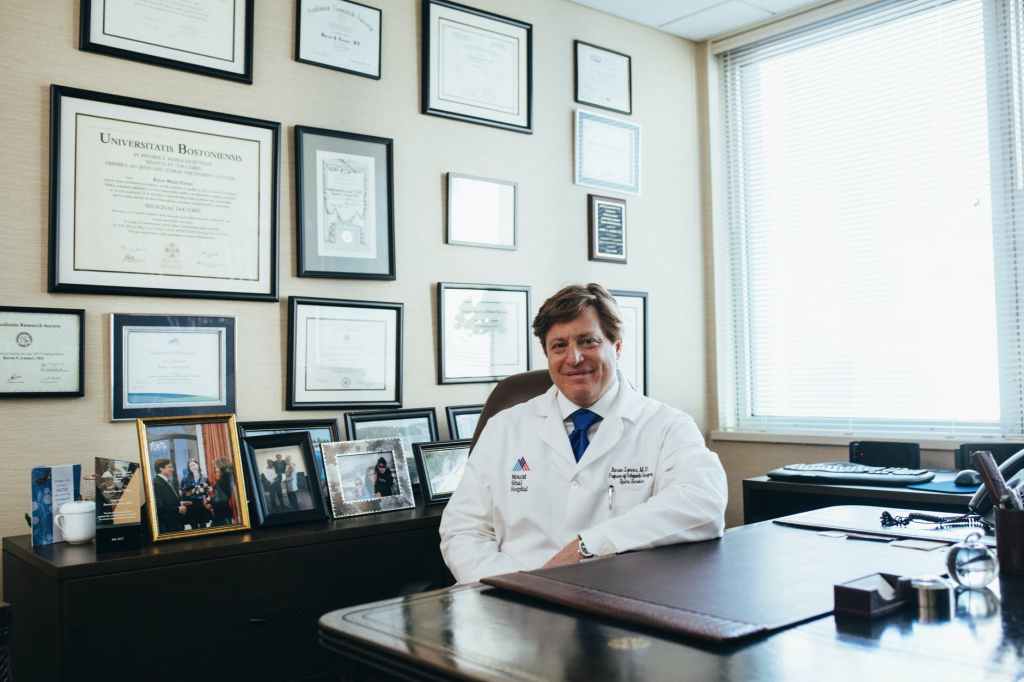
Will the hard of hearing person be willing to acknowledge a hearing loss and invest in hearing aids? Or will they still be reluctant to move forward denying constantly any hearing problems? Things may not change on the first days back to work and with this virus still at our doorstep, we may be off to a rocky start. Clients may not want to come in immediately for fear of contracting the virus.
The Clinic Visit
With the new governmental safety measures of social distancing a hearing appointment will appear very different from one conducted at the beginning of the year.
5 Things about the New Normal Appointment

- The client is greeted by front desk staff behind plexiglass panel. Forms are completed by the staff and the usual sign in questions are asked in addition to new health questions about contact with someone with Covid – 19 and how they are feeling.
- Some clinics may even take temperatures of anyone entering the clinic including staff
- The client and any one accompanying them will need to wear a mask and use hand sanitizer upon arrival.
- Visits are by appointment only and one appointment at a time will be present in the waiting room.
- Hearing Specialist will also wear a mask and a possible face shield to reduce salvia splatter.
With all these new measures what happens to speech understanding if the client cannot see the Specialist’s mouth? The appointment can go south very quickly because of frustration experienced by the client since they cannot understand enough of the conversation to feel comfortable.
6 Things the Specialist will need to do.
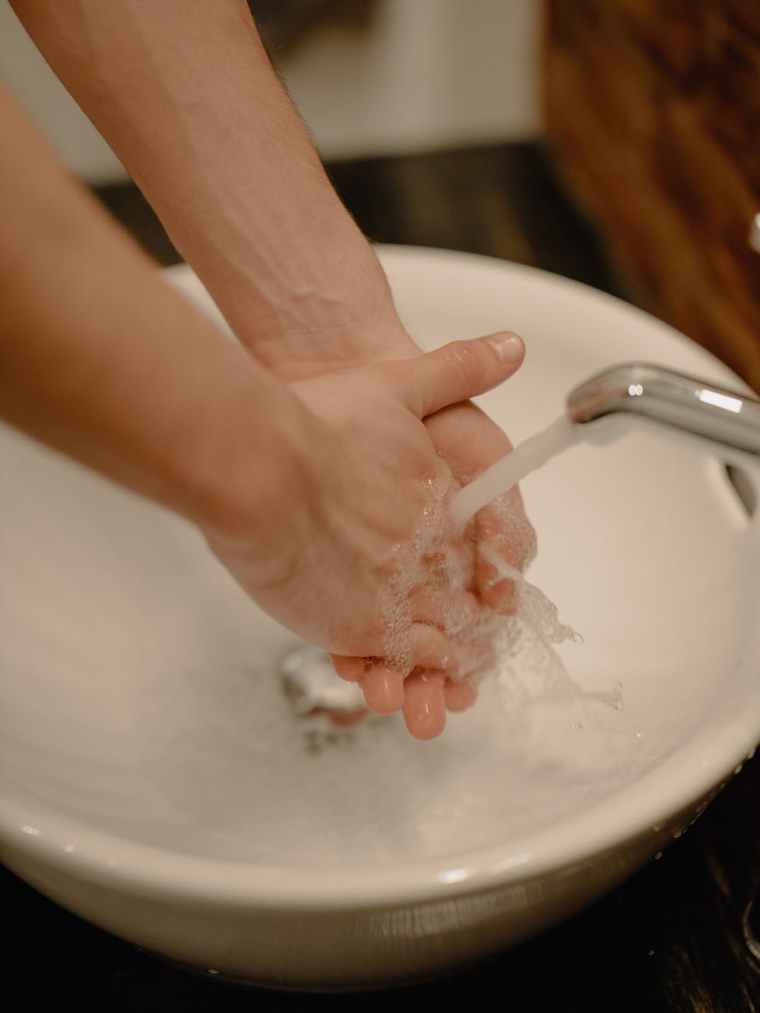
- Put the client at ease. Before beginning the appointment the Specialist will wash their hands. This action at the onset is paramount and will help to put the client at ease. Also, inform them immediately about the use PPE(Personal Protective Equipment) as essential for their protection as well as the Specialist. The majority of clientele are elderly and vulnerable due to some other health concern, they need to know that they are in the right place and will be treated with care and kindness. Their health and their hearing health are both important.
- During the appointment it is important to speak slowly and repeat instructions when needed. No need to rush. The client is present because they need help and the Specialist is the best professional to answer any questions about their hearing concerns.
- If the client is very hard of hearing then ask for a family member or a guest to accompany them into the appointment. Due to social distancing only one other person can be allowed into the appointment and they too have to wear a mask. Again for the protection of all persons present.
- If they still cannot understand what is being said then write the information in simple language. The Specialist may want to have simple procedures already written up for use on occasions like these. Ensure that the font is large enough to read and the coloured ink used is visibly acceptable for those clients who may have some kind of vision concern.
- Use simple non- threatening hand movements – use simple hand signing if the client still cannot understand.
- Keep eye contact and remember to speak slowly.
(Oticon, Canada , 2020) Hearing loss can affect your social life
Untreated hearing loss can cause you to withdraw from socializing because conversations take so much more mental energy. Left untreated, hearing loss can lead to feelings of isolation and depression.
See if some of these hearing loss related worries apply to you or if you suspect that they apply to a person close to you:
• I am often insecure when I am out as I don’t know where sounds are coming from
• I often feel depressed and alone
• I often get tired and need to rest after work
• I have problems remembering
• I have problems recognizing speech, especially in gatherings with other people
• My hearing loss has decreased my quality of life
• My hearing loss not only affects me, it also affects my family
It is important to seek help if you experience signs of hearing loss in yourself or a loved on
(Starkey Canada, 2015) Not treating the hearing problem only leads to more frustration, loneliness, depression, anxiety, anger, emotional instability and paranoia. Those with untreated hearing loss experience a 30 – 40 % greater decline in thinking ability compared to those without hearing loss.
In this time of social distancing there will be challenges especially for those who have hearing problems. The immediate feeling of isolation is much higher than ever before coupled with staying 6 feet away in public plus wearing a mask adds to this growing frustration. Unfortunately, social distancing and other governmental guidelines are important to our health and we need to adhere to them. As Hearing Specialists we will work with these guidelines for the best possible outcome at hearing appointments.
 jemfinds - Hello World 2.0